Pentagon Claims $29 Billion Spent on 'War on Iran,' Facing
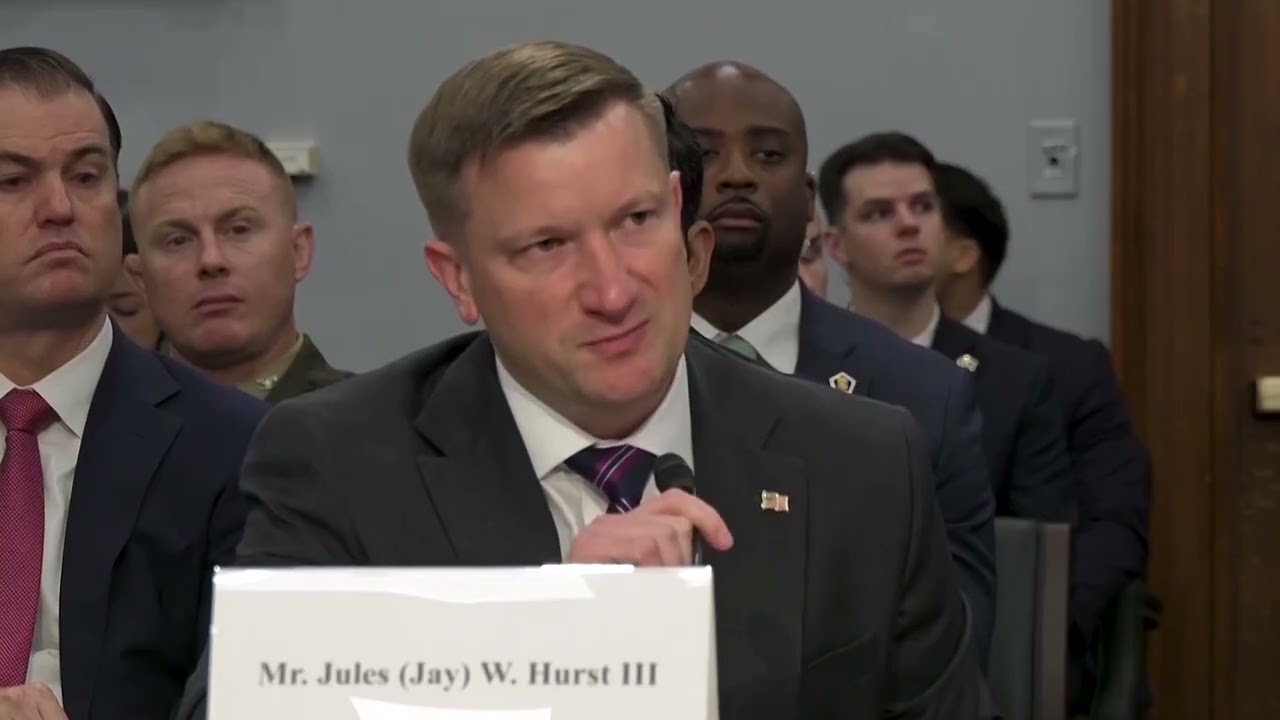
The U.S. Department of Defense has reportedly stated that operations related to the 'war on Iran' have incurred costs of approximately **$29 billion**. This…
Summary
The U.S. Department of Defense has reportedly stated that operations related to the 'war on Iran' have incurred costs of approximately **$29 billion**. This figure has emerged as **Pete Hegseth** and other Pentagon officials are set to face intense questioning from the House of Representatives regarding this expenditure and broader military operations in the region. The hearing signals a critical moment for oversight and accountability concerning the financial and strategic implications of U.S. involvement in the Middle East, particularly in the context of ongoing [[Middle East crisis|Middle East crisis]] and [[Iran–United States relations|U.S.-Iran tensions]]. The substantial sum highlights the significant financial commitment involved in the protracted conflict, raising questions about resource allocation, strategic objectives, and the effectiveness of U.S. military actions. Lawmakers are expected to press for detailed breakdowns of how these funds were utilized and what tangible outcomes have been achieved, especially in light of the complex geopolitical landscape involving [[Iran|Iran]], [[Israel|Israel]], and other regional actors.
Key Takeaways
- The Pentagon reports approximately $29 billion spent on operations related to Iran.
- U.S. officials, including Pete Hegseth, are facing congressional scrutiny over this expenditure.
- The hearing will examine the financial costs and strategic rationale of military operations in the region.
- This event highlights ongoing tensions and the significant financial commitment in the Middle East.
- Congressional oversight is a critical component of accountability for defense spending.
Balanced Perspective
The Pentagon's reported **$29 billion** expenditure on operations related to Iran is a significant financial outlay that warrants detailed examination. The upcoming House hearing will provide a platform for officials to present their justifications for this spending and for lawmakers to scrutinize the efficacy and necessity of these military operations. The exact breakdown of costs, the specific targets and outcomes of these operations, and the long-term strategic implications remain subjects of ongoing debate and require thorough investigation beyond the initial figures.
Optimistic View
This congressional grilling represents a crucial step towards greater transparency and accountability in U.S. foreign policy. The **$29 billion** figure, while substantial, could be seen as a necessary investment in regional stability and deterring Iranian aggression, a key objective for [[US foreign policy|U.S. foreign policy]] in the [[Middle East|Middle East]]. Officials will likely present a case that these expenditures have directly contributed to preventing larger conflicts and safeguarding vital [[US national security|U.S. national security]] interests, potentially leading to a more refined and efficient strategy moving forward.
Critical View
The staggering **$29 billion** cost of the 'war on Iran' raises serious concerns about the sustainability and wisdom of U.S. military engagement in the region. This expenditure could be viewed as a drain on taxpayer resources with questionable strategic returns, potentially fueling further escalation and instability rather than achieving peace. Critics will likely argue that this spending reflects a flawed policy that prioritizes military solutions over diplomatic ones, potentially exacerbating [[regional conflicts|regional conflicts]] and diverting funds from domestic priorities.
Source
Originally reported by The Guardian