US Escalates Middle East Presence Amidst Iran Nuclear Tensions
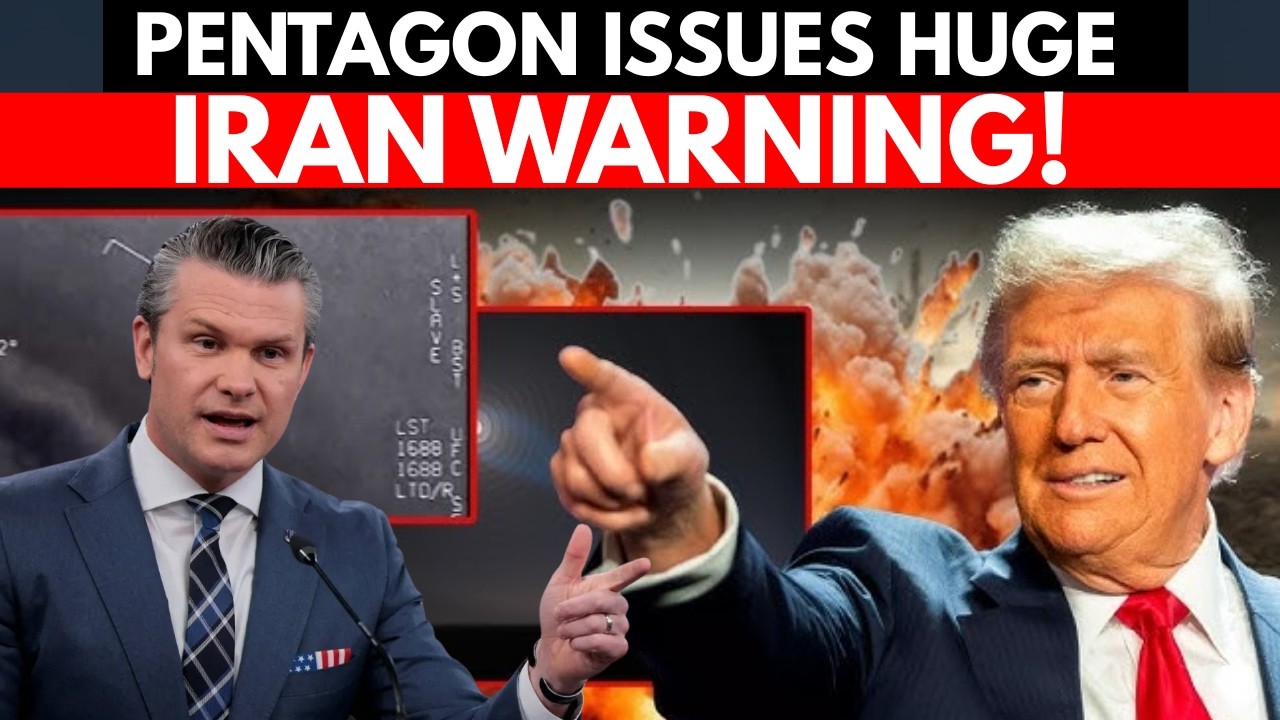
In a rare and significant move, **Secretary of State Antony Blinken** briefed the **'Gang of Eight'** — the congressional leadership overseeing national…
Summary
In a rare and significant move, **Secretary of State Antony Blinken** briefed the **'Gang of Eight'** — the congressional leadership overseeing national security intelligence — on **Iran's nuclear program** on February 24, 2026. This high-level briefing occurred concurrently with the **US military deploying its largest force of aircraft and warships to the Middle East since 2003**, a clear signal of escalating tensions. The deployment, reportedly including B-52 bombers and an increased naval presence, underscores a hardening US stance, potentially in response to intelligence suggesting Iran is closer to developing nuclear weapons. This dual action — diplomatic engagement with key lawmakers and a robust military show of force — highlights the gravity with which the Biden administration views the evolving situation in the Persian Gulf and the perceived threat from Tehran's nuclear ambitions.
Key Takeaways
- Secretary of State Blinken briefed the 'Gang of Eight' on Iran's nuclear program.
- The US has deployed its largest military force to the Middle East since 2003.
- The actions suggest heightened US concern over Iran's nuclear ambitions.
- The dual diplomatic and military approach signals a significant policy stance.
- The situation carries substantial implications for regional and global security.
Balanced Perspective
The briefing of the 'Gang of Eight' by the Secretary of State is a standard, albeit infrequent, procedure for discussing highly sensitive national security matters. The deployment of military assets to the Middle East is a recurring tactic employed by successive US administrations to project power and influence regional stability. The specific timing of these events, as reported by The Guardian, suggests a potential correlation between intelligence assessments regarding Iran's nuclear progress and the US response. However, the precise nature of the intelligence shared and the specific objectives of the military deployment remain subject to official confirmation and interpretation.
Optimistic View
This coordinated action demonstrates a robust and proactive US foreign policy. The **Secretary of State's direct engagement with congressional leadership** ensures bipartisan alignment on a critical national security issue, fostering unity in confronting potential threats. The **significant military deployment** serves as a powerful deterrent, signaling to Iran and its adversaries that the US is prepared to defend its interests and allies, potentially averting a more dangerous escalation by demonstrating resolve and capability. This approach prioritizes diplomacy backed by strength, aiming for de-escalation through clear communication and a credible defense posture.
Critical View
The deployment of such a substantial military force, the largest since the Iraq War, risks being perceived as overtly provocative by Iran, potentially triggering a dangerous cycle of escalation. Relying on military might over sustained diplomatic engagement could alienate allies and embolden hardliners within Iran, pushing them further toward nuclear weaponization rather than away from it. The secrecy surrounding the 'Gang of Eight' briefing also raises concerns about transparency and the potential for decisions to be made without broader congressional or public oversight, increasing the risk of miscalculation and unintended conflict.
Source
Originally reported by The Guardian